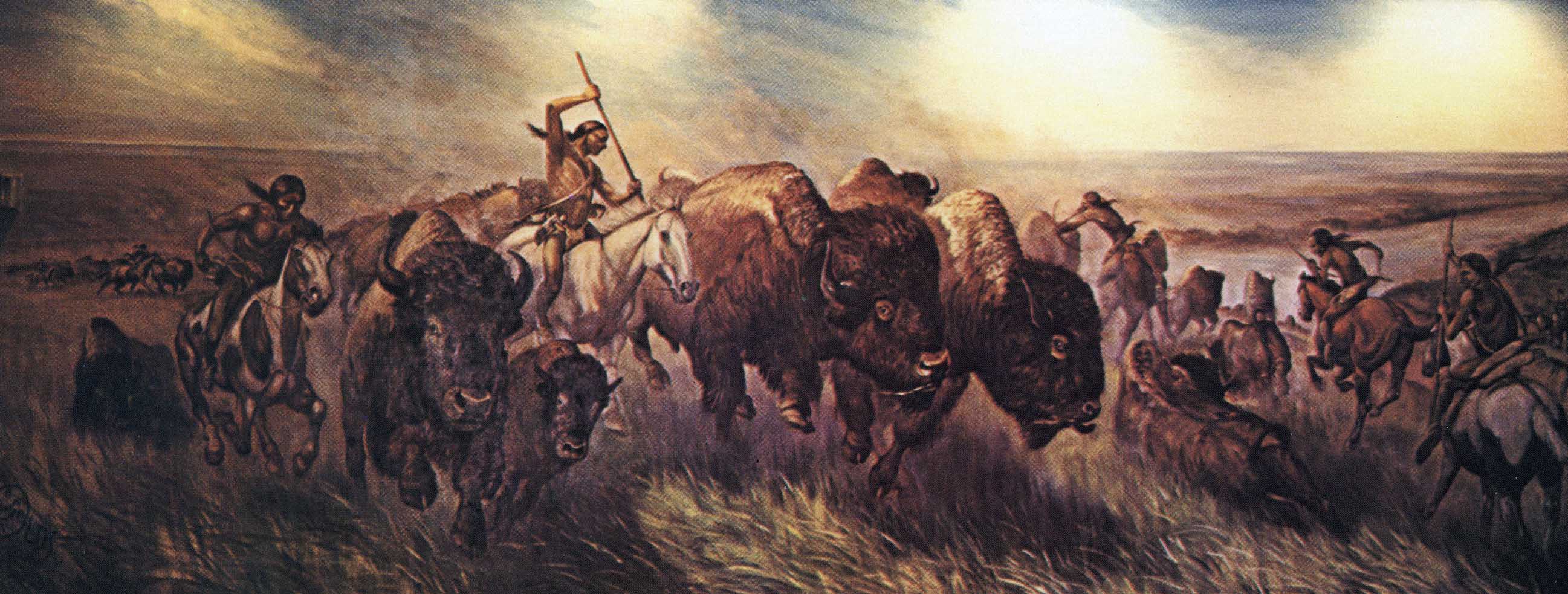
"In the Beginning" by Fred Olds. From postcard from the Oklahoma Territorial Museum.

Betty June Starr Whelan Cherokee Collection Index

Search books, periodicals, and scrapbook binder materials in MS-188.
View the complete MS-188 finding aid in ArchivesSpace
Clear
Found 3161 results.

Description of Mary Adair

Newspaper / Clipping

Mary Adair is a Cherokee woman who lives in Muskogee. She was the former director of Murrow Indian Children's Home in Muskogee. She has an educated background with two degrees. She enjoys painting Indians doing everyday things, taking part in ceremonies, and children.

Physical locator: MS188-03-03: Indians III: — Page 8.16

Description of Joan Brown

Newspaper / Clipping

Joan Brown is a female Cherokee who lives in Muskogee. She is known for her drawings of Native American Women.

Physical locator: MS188-03-03: Indians III: — Page 8.16

Photograph of Modern Seminole

Photograph / Image

Photograph of the Florida Seminoles. They are in front of a chickee with the late Acee Blue Eagle, Oklahoma Creek-Pawnee artist dressed in ceremonial costumes.

Physical locator: MS188-03-03: Indians III: — Page 8.16

Photo of Okmulgee Council

Photograph / Image

Photograph of the Okmulgee Council delegates posed in front of the Creeks' log capitol.

Physical locator: MS188-03-03: Indians III: — Page 8.16

"Rendezvous on Green River"

Photograph / Image · 1837

Drawing titled "Rendezvous on Green River" by Alfred Jacob Miller, 1837. Shows Shoshonis making a spectacular arrival in the foreground.

Physical locator: MS188-03-03: Indians III: — Page 8.17

"Sioux hunting buffalo"

Photograph / Image · 1832

Drawing titled " Sioux hunting buffalo" by George Catlin, 1832. Below the art, it says that on the plains Indians hunted buffalo and gloried their horse herds.

Physical locator: MS188-03-03: Indians III: — Page 8.17

" He Who Outjumps All, Crow Chief"

Photograph / Image · 1832

Artwork titled "He Who Outjumps All, Crow Chief" by George Catlin, 1832. The text below the title says "The Crows were rich in everything an Indian required to make him happy".

Physical locator: MS188-03-03: Indians III: — Page 8.17

"Sioux camp at Pine Ridge"

Photograph / Image · 1891

Photograph of a Sioux camp located in Pine Ridge. The photo was taken in 1891. The text below the image says " The last flare of the old Indian spirit had ended in surrender".

Physical locator: MS188-03-03: Indians III: — Page 8.17

" Indians of the Northwest Coast"

Photograph / Image · 1855

Drawing titled " Indians of the Northwest Coast" by George Catlin, 1855. The text below say," They felled the great trees and made boats, beautifully shaped and decorated"

Physical locator: MS188-03-03: Indians III: — Page 8.18

"Aleuts"

Photograph / Image · circa 1855

Drawing by George Catlin titled "Aleuts" was drawn around 1855. Text below the drawing says " They lived in underground shelters and their women were skilled in basketry"

Physical locator: MS188-03-03: Indians III: — Page 8.18

Photo of Wichita grass house

Photograph / Image · circe 1870

Photograph of a Witchita grass house taken around 1879. Text below the photograph says " Coronado found numerous villages of grass covered lodges"

Physical locator: MS188-03-03: Indians III: — Page 8.18

" Life way of Indians found"

Photograph / Image

Woodcut composite of a watercolor by John White. Shows the Life way of Indians found by Raleigh's North Carolina settlers. Shows agriculture, ceremonials, hunting, and lodges.

Physical locator: MS188-03-03: Indians III: — Page 8.19

French castle at Old Fort Niagara

Photograph / Image

Photo of a French castle at Old Fort Niagara. This castle served as the headquarters of Sir William Johnson at the close of Ponitac's War.

Physical locator: MS188-03-03: Indians III: — Page 8.19

Apache family group in front of wickiup

Photograph / Image

Photograph taken by the U.S. Signal Corps shows an Apache family group in front of wickiup. The text below the image says" The Apaches have few friends. There seems no settled policy, but a general policy to kill them wherever found".

Physical locator: MS188-03-03: Indians III: — Page 8.2

Kickapoo bark house and storage platform

Photograph / Image

Photograph of a Kickapoo bark house and storage platform. The text below the photograph says " The Kickapoos were living in an "elegant and substantially built little village of bark houses"

Physical locator: MS188-03-03: Indians III: — Page 8.2

North Plains Indians moving camp

Photograph / Image

Drawing by George Catlin in 1832 titled " North Plains moving camp" Text below the drawing says "Note the four mounted warriors at upper right protecting the laden train of women"

Physical locator: MS188-03-03: Indians III: — Page 8.2

Opothle Yahola

Photograph / Image

Portrait of Opothle Yahola. Yahola was a young warrior sent to warn McIntosh of the fatal consequence should he "sign the paper"

Physical locator: MS188-03-03: Indians III: — Page 9.1

Oseeola

Photograph / Image

Drawing portrait of Oseeola by George Catlin in 1838.

Physical locator: MS188-03-03: Indians III: — Page 9.1

Joseph Brant

Photograph / Image

Photograph of Joseph Brant by George Romney. The text below says "The town of Brantford, Ontario, perpetuates the Mohawks' migration to Canada.

Physical locator: MS188-03-03: Indians III: — Page 9.1

Little Turtle

Photograph / Image · 1790-1791

Portrait of Little Turtle who defeated Harmar and St. Clair.

Physical locator: MS188-03-03: Indians III: — Page 9.1

Rabbit Skin Leggings

Photograph / Image · 1832

Portrait of Rabbit Skin Leggings by George Catlin on the return trip 1832. Rabbit Skin Leggings was the sole survivor of the Flathead-Nez Prece delegation to St. Louis.

Physical locator: MS188-03-03: Indians III: — Page 9.2

No horns on his head

Photograph / Image · 1832

Portrait of No Horns on His Head by George Catlin in 1832. No Horns on His Head was another member of the Flathead-Nez Perce Delegation.

Physical locator: MS188-03-03: Indians III: — Page 9.2

Tecumseh

Photograph / Image

Portrait of Tecumseh preserved in the family of George Rogers Clark and William Clark. The text below the portrait says " He believed that if the Indians would unite, they could hold their heritage."

Physical locator: MS188-03-03: Indians III: — Page 9.2

Tenskwatawa

Photograph / Image · 1830

Portrait of Tenskwatawa who was the brother to Tecumseh, while living with the Shawnee in Kansas. It says that he preached that the white Americans grew for the scum of the great water.

Physical locator: MS188-03-03: Indians III: — Page 9.2