
Navajo Indian Coyote Stories
Story told by Nez Begay to Ron Corley. The cover has an Indian Man sitting on top of a horse. Starts the story about a coyote running along the prairrie in search of mischief. As he ran it continued to get hotter.
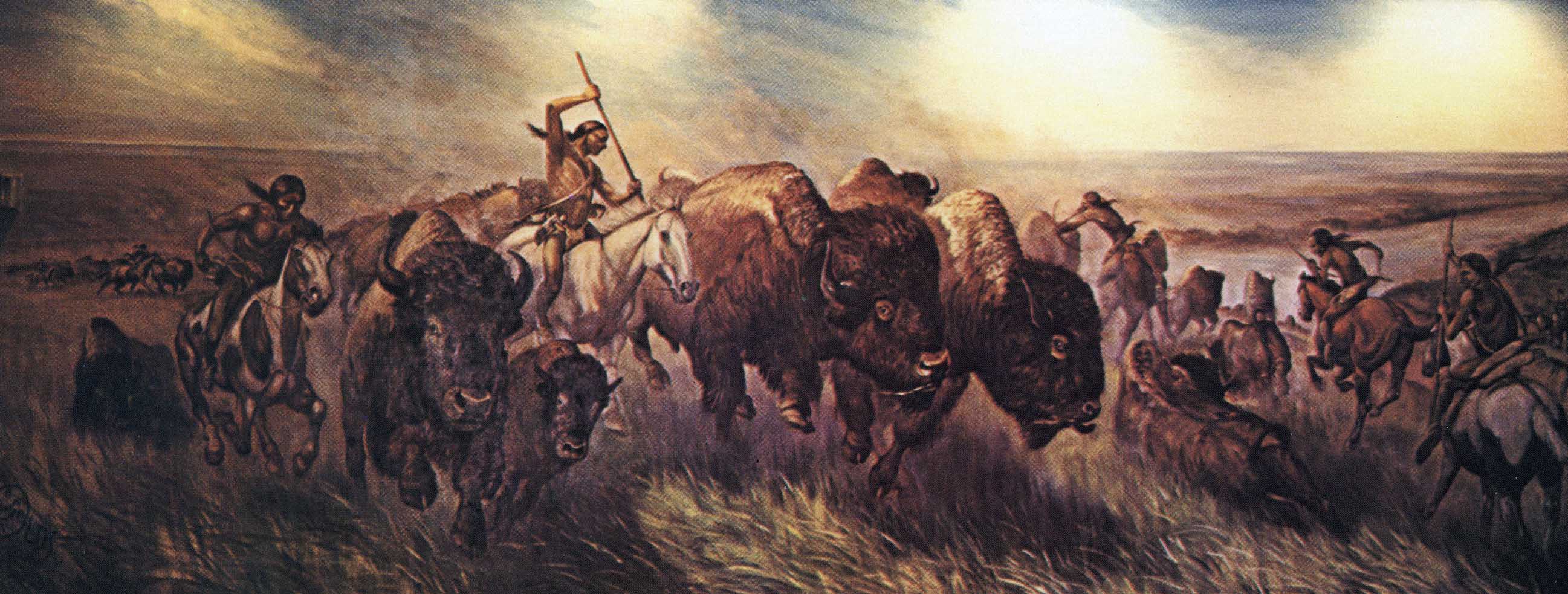

Story told by Nez Begay to Ron Corley. The cover has an Indian Man sitting on top of a horse. Starts the story about a coyote running along the prairrie in search of mischief. As he ran it continued to get hotter.
Since it was so hot out, the coyote stopped running covered in sweat he wished it would rain. As he repeated his wishes three times it began to rain. He then asked for more rain three times, and the rain started to pour harder.
The rain water filled the canyon and started to rise above his knees. He realized he made a mistake and was soon swept away. The coyote thought he was going to drown before he made it out. He found a high place to sit and …
Then a skunk came up beside the coyote. The skunk told the coyote that he thought he would have been dead because of all of that water. The coyote agreed with him and then asked if the rabbits and gophers saw him plunging down the …
The gophers and rabbits followed the skunk to see if the coyote was really dead. The skunk and coyote tricked them and they were killed and that was the end of the story. When asked what the moral of the story was Begay said it …
Ron Corley tried to find the deeper meaning of this story and connect it to religion. Questions of the things you wish for in the will of God. Then quotes Matthew 7:15
The way of Cherokee Life according to Bill Sharpe is through war. He believed that peace was just a period of recovery and preparation. Sharpe believed that Cherokee Warrior Indians had no conception of permanent peace. Sharpe thinks that the Indian traditions were warfare for …
The article is then broken down into different sections about the relationships between the Cherokee Indians and White Settlers. Some of the topics discussed are divided leadership, brutal warfare, having to be tough, liquor drinkers, no security, hardy women, bullets sent back,
Continued article with different sections that talk about how there was no compromise and how Indians got along with traders.
Advertisement encouraging people to visit Blue Ridge Parkway and the Cherokee Nation. Talks about how kids can meet a real Indian that tells the history of the Eastern Band of the Cherokee Nation. Lists of activities for everyone; rides, fishing, tours, pioneer homes, and entertainment.
Congressional cemetery ceremony held. Cherokee Nation tribal members participated in "The Celebration of Native American Life". This event was held to honor 11 Cherokees who were buried in the Congressional Cemetery.
Eleven tribes were present at this ceremony. Chief Mankiller gave a speech on Indian history and honoring the culture. Wreaths and Cherokee Flags were placed on each burial site.
Family history of the Adair family and how they farmed corn in Maize, Oklahoma, had two sons who went to Northeastern University in Tahlequah, Oklahoma. Their only daughter married a full-blodded Indian who was the son of Tecumseh.
History of the Bryant family, whom they married, how many kids they had, where they lived, and Dr. Bryants' medical career, and his brief political career.
Family history of John Ross Buffington, who was a pioneer of the Indian Territroy. They were Cherokee Nation natives and came to Indian Territory after the Indians were moved in 1838. He attended the Cherokee Nation Seminary in Telequah, Oklahoma. He had a sister who …
Family history of the Bugher Family who were the founder of the Whitaker Orphans' Home. Where the family relocated to as well as where they originally came from.
Family History of the Bunnell family. Their house was originally the Ross Cotton Plantation for the Ross Cherokee Family. There is a cemetery located on the farm, it was originally only for the Ross family, but now is a public burial ground after being relocated.
History of George Washington Crittendern, who was born in Westville, Goingsnake. His family traveled across the Trail of Tears when he was a small child. His family was known for their hospitality and generosity. George helped build the Welch School and organize the Methodist Church …
History of Inez G. Crittenden. She moved to Oklahoma with her family by train and lived in the Dawes communtiy. The article discusses her childhood and education, as well as her adulthood.
History of Richard Henry Crittenden, his dad was a full-blooded Cherokee Indian named John Ross Crittenden. Ross traveled the Trail of Tears and ended up in the Indian Territory. Richard's siblings except for one died in early stages of childhood. He ended up marrying and …
Mrs. Crockett was from the Coo-We-Scooie district in Indian Territory. Mrs. Crockett was brought to the Indian Territory with her sister when she was a baby. They moved to the California Territory in search of a better education. The family hunted near Bushy Creek which …
Richard Robinson was from Clinton County, Missouri, he ended up marrying Ida Smith who was from Clay County, they had a daughter and a son. They decided to move to Kiowa, Kansas where his extended family lived. They ended up moving to Indian Territory. They …
David McNair and his wife moved to the Indian Territory after they had gotten married. They recount their travels and meet distant relatives along the way who talk about the Trail of Tears. After several months they ended up returning to Georgia. They ended up …
The family history of the Ross family begins in Mayes County with Daniel Ross who sailed to America with his mother who died at sea. When he arrived in Baltimore he was an orphan and joined Mayberry's Trading Expedition. He was then adopted into the …
Family History of the Rowland Family. Pearl's grandparents owned a large farm in Fayetteville, Arkansas.

Advanced search techniques for better results
Soccer Queens - Finds Soccer OR Queens (default)Soccer AND Queens - Must contain both words"Soccer Queens" - Exact phrase match (use quotes)+Soccer -Queens - Has Soccer, excludes QueensEnable the "Use Regex" checkbox for pattern-based searches:
^Smith - Names starting with "Smith"Smith$ - Names ending with "Smith"John|Jane - Finds either "John" or "Jane"💡 Tip: Start with simple searches. Use boolean operators for precise results, regex for advanced pattern matching.
Requesting copy for: